




Magdalena DudaPodiatrist
Comprehensive podiatric care. A holistic approach to the health of your feet.
Professional diagnosis, treatment, and prevention of foot conditions in a caring and comfortable environment.
PodoPodiatrica Magdalena Duda is a modern podiatry and podologic clinic specializing in diabetic foot care, where specialized knowledge is combined with a personalized approach to each patient. The clinic’s founder and owner is Magdalena Duda—a podologist, reflexologist, and massage therapist who is currently studying podiatry.
- For more information visit: https://podopodiatrica.pl/
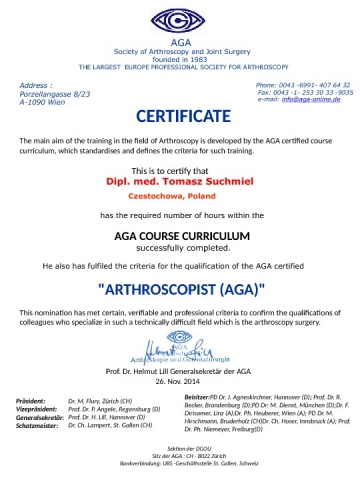
Courses and Training
- SURGERY IN PODIATRY – TOE PLASTY – Diagnosis, patient selection, surgical technique, post-operative care.
- The Use of Dental Materials in Podiatric Therapies – Practical application of modern dental materials in podiatry.
- PODOREPAIR - Combined Methods - Composite Inlays - Advanced techniques for combining methods in podiatric therapy using composites.
- TRAUMATIC NAIL THERAPIES - A professional approach to treating nails after trauma.
- OVERVIEW OF LOCAL TREATMENT OF DIFFICULT-TO-HEAL WOUNDS - A comprehensive approach to the treatment of difficult-to-heal wounds.
- GUMMETAL - INNOVATION IN ORTHONYXIA - A modern method of orthonyxia using the innovative Gummetal material.
- MODERN EXFOLIATION AND SKIN REGENERATION IN PODIATRY - Advanced techniques for exfoliation and regeneration of the skin on the feet.
- FIRST AID - A first aid course tailored to the needs of podiatry specialists.
- EDUCATIONAL COURSE FOR LECTURERS AND TRAINERS IN EXTRACURRICULAR EDUCATION - Training to prepare for conducting courses in extracurricular education.
Range of Services
|
|
Services in details
At the podiatry clinic, the prevention and care of diabetic feet are based on an interdisciplinary approach and strict hygiene standards aimed at preventing ulcers and amputations.
A key element is regular foot examinations, conducted at least once a year for low-risk patients and more frequently for those in high-risk groups.
Treatments for diabetics require the use of sterile disposable instruments (scalpels, chisels) and precise techniques that minimize the risk of cuts.
The podiatrist classifies the foot according to recognized scales (e.g., the Wagner scale) and, if ulcers are found (stage 1 and above), immediately refers the patient to a surgeon or a diabetic foot clinic.
A Basic Podiatric Treatment (BPT) is a professional preventive and therapeutic procedure designed to keep the feet in top condition and ensure good hygiene. Unlike a cosmetic pedicure, it focuses on clinical and preventive aspects, rather than just aesthetics.
A child’s visit to a podiatrist is a specialized consultation focused on the foot and nail health of young patients (from infants to teenagers). Its goal is not only to treat painful conditions, but above all to prevent problems and support the proper development of the musculoskeletal system.
What issues warrant a visit to a podiatrist?
Children most often visit the clinic with the following conditions:
- Ingrown toenails: Often result from improper trimming of the nail plate (cut too short or rounded).
- Viral warts: Easily spread in public places, such as swimming pools or schools.
- Posture and gait issues: Problems with walking, running, or jumping, which may require the selection of appropriate orthopedic insoles.
- Deformities: Such as bunions (hallux valgus) or other abnormalities in foot alignment.
How to prepare your child?
It’s a good idea to explain to your child beforehand that the visit is painless and is meant to “fix” their feet, which will help ease their anxiety.
Before the visit, do not:
- Apply creams or ointments to the feet.
- Trim the cuticles or cut the nails yourself immediately before the examination.
- Regular check-ups with a podiatrist allow for the early detection of abnormalities, which prevents serious foot problems in adulthood.
A podiatrist in oncology care works within the field of podo-oncology, focusing not only on aesthetics but, above all, on comfort, pain relief, and the prevention of serious infections.
Modern podo-oncology is a field that focuses on supporting patients during and after cancer treatment, when the skin of the feet and nails becomes extremely sensitive. The podiatrist plays a key role in minimizing pain and preventing infections, which can be very dangerous in patients with compromised immune systems.
Common podiatric problems:
- Hand-Foot Syndrome (HFS): Manifests as burning, swelling, and erythema. Requires the use of preparations containing urea (low concentration), allantoin, or panthenol.
- Nail plate changes: Onycholysis, discoloration, or inflammation of the nail folds (paronychia) often occur.
- Infections: High risk of fungal infections and viral warts due to immunosuppression.
Important: Always inform the podiatrist about ongoing treatment, medications you are taking (e.g., cytostatics), and current blood test results so that they can adjust the invasiveness of the procedure to your health condition.
Collaboration between a podiatrist and a clinical dietitian is a key element of a holistic approach to patient care, particularly for individuals struggling with metabolic and autoimmune diseases, as well as skin conditions affecting the feet. The integration of both specialists’ efforts allows for addressing the root causes of the problem, rather than merely its symptoms.
- Diabetic foot syndrome: This is the most important point of intersection between the two fields. The podiatrist focuses on wound care and treatment, while the clinical dietitian is responsible for stabilizing blood glucose levels, which is essential for proper healing and preventing complications.
- Metabolic diseases and obesity: Excess body weight places enormous strain on the feet (e.g., transverse flat feet, painful calluses). A dietitian’s support in weight reduction directly relieves pressure on the musculoskeletal system, facilitating podiatric therapy.
- Skin and nail problems: Skin conditions (excessive keratinization, cracked heels) and nail conditions (e.g., brittleness, onycholysis) often result from deficiencies in vitamins (A, E, B vitamins) and minerals (zinc, iron). A clinical dietitian selects appropriate supplementation and a diet that supports tissue regeneration.
- Inflammation and autoimmunity: In cases of diseases such as psoriasis (often manifesting on toenails) or gout, an anti-inflammatory or low-purine diet is the foundation for the effectiveness of podiatric treatments.
Benefits for the patient
- Faster recovery: A well-nourished body is better able to heal wounds and reduce inflammation following procedures.
- Long-lasting results: Eliminating dietary causes (such as hyperglycemia or deficiencies) prevents the recurrence of problems like fungal infections or painful fissures.
- Personalized treatment plans: Patients receive consistent recommendations regarding home care and dietary habits.
At a podiatry clinic, treatment for foot and nail fungus (onychomycosis) differs from home treatment primarily in terms of mechanical effectiveness. A podiatrist not only diagnoses the problem but also actively removes infected tissue, which accelerates the effectiveness of medications.
What does treatment at the clinic involve?
1. Diagnosis (Mycological Examination)
- The podiatrist collects a sample (scrapings from under the nail or fragments of the nail plate) and sends it to a laboratory.
- This allows for a precise determination of which type of fungus (dermatophytes, yeasts, or molds) has infected the foot and to which medications it is sensitive.
2. Mechanical cleaning (The key to success)
- This is the most important step. Using sterile drills, the podiatrist painlessly removes the diseased, brittle, and calloused parts of the nail.
Why is this important? Medications (varnishes, ointments) do not penetrate a thick, diseased nail plate. Only after it has been thinned can the medication reach the nail bed directly, where the fungi reside.
3. Combination therapy
- The podiatrist collaborates with a dermatologist (topical treatment + oral medication if necessary).
- Specialized preparations with active ingredients (e.g., colloidal silver, essential oils, clotrimazole) are used.
4. Disinfection and prevention
- Instructions on disinfecting footwear (often using professional ozone or silver-based devices).
Recommendations for home hygiene to avoid self-infection (e.g., changing towels, wearing appropriate socks).
Benefits of Professional Treatment
- Faster Results: A cleaned nail heals more quickly.
- Safety: Sterile instruments prevent the spread of infection to healthy toes.
- Aesthetics: After cleaning, the podiatrist can (if the condition allows) reconstruct the nail using a special compound containing an antifungal agent.
When should you see a podiatrist?
- When your nails turn yellow, white, or brown.
- When the nail plate begins to crumble, lifts from the nail bed, or has an unpleasant odor.
- When the skin between the toes cracks, burns, or peels excessively.
In a podiatry clinic, bacterial infections are treated as conditions requiring immediate intervention, as they can lead to serious complications if left untreated.
The most common types of infections
1. Paronychia
- Inflammation of the nail fold (often associated with ingrown nails). It presents with severe pain, redness, swelling, and often the presence of pus.
2. Pseudomonas aeruginosa infection
- Characteristic green or black-green discoloration under the nail plate (often mistaken for a fungal infection). This bacterium thrives in moist environments, such as under a detached nail (onycholysis).
3. Erysipelas
- A serious streptococcal skin infection, manifesting as a shiny, painful rash and high fever (requires urgent medical attention).
4. Infected calluses and corns
- When the hard skin cracks and microorganisms penetrate the wound.
Podiatrist’s Treatment
1. Cleaning the affected area
- Gently removing calloused skin or a fragment of the nail that irritates the tissue and perpetuates the inflammation.
2. Draining pus
- If an abscess is present, the podiatrist can safely drain it, providing immediate pain relief.
3. Disinfection and dressings
- Application of specialized antiseptic preparations and antibacterial dressings.
4. Pressure relief
- Use of materials that reduce the pressure of the shoe on the painful area.
The Role of Medical Collaboration
- Important: A podiatrist does not prescribe oral antibiotics. If the infection is extensive or systemic, the patient is referred to a surgeon or primary care physician for antibiotic treatment.
Prevention – Safety in the Clinic
In a professional clinic, the risk of patient infection is reduced to zero thanks to:
- The use of an autoclave to sterilize instruments.
- The use of disposable instruments (scalpels, chisels).
- Disinfection of the workstation after each client.
Time is of the essence! Draining a subungual hematoma is most effective and provides the greatest relief when performed within the first 24–48 hours after the injury.
When should you see a podiatrist?
The procedure is recommended when:
- You feel severe, throbbing pain—this is caused by increased blood pressure trapped between the nail plate and the nail bed.
- The hematoma covers a large area—usually more than 25–50% of the nail plate.
- The nail is “puffed up”—the blood lifts the nail plate, which risks its complete separation (onycholysis).
Why is it important to act quickly?
- Immediate relief: Piercing the nail plate and draining the blood instantly reduces pressure and pain.
- Saving the nail: Decompression reduces the risk of permanent separation of the nail from the nail bed and subsequent nail loss.
- Preventing infection: Stagnant blood is an ideal breeding ground for bacteria; professional cleaning minimizes the risk of infection.
When is it “too late” for drainage?
If more than 2–3 days have passed since the injury, the blood usually clots.
In this case:
- Traditional drainage (lancing) is no longer possible.
- You must wait until the hematoma “heals” together with the nail, or (if the nail is lifting) the podiatrist must clean the empty space to prevent a fungal infection.
What does the procedure involve?
- The podiatrist makes a small opening in the nail plate using a sterile needle or a special micro-drill. The procedure is painless because the nail plate has no nerve endings, and the instrument does not touch the sensitive nail bed.
Important: If the injury is accompanied by a suspected broken finger or a deep laceration, you should first go for an X-ray or to the emergency room.
Although both conditions are the skin’s defensive response to pressure, they differ in structure, appearance, and the way the pain is felt.
Callus
A large, flat, yellowish area of thickened skin.
1. Appearance:
- A round or oval patch of hard skin with no distinct borders.
2. Location:
- Most commonly on the sole of the foot (under the metatarsal heads) or on the heel.
3. Sensations:
- Usually a burning sensation or discomfort when walking; rarely sharp pain.
4. Cause:
- Broad pressure on a large area of skin (e.g., from flat shoes, bone deformities).
Callus (Clavus)
This is a smaller, localized lesion with a hard core (spike) penetrating deep into the skin.
1. Appearance:
- A small, hard spot (often with a visible “eye” in the center), with clearly defined edges.
2. Location:
- Areas of intense localized pressure—on the joints of the toes, between the toes, or within calluses.
3. Sensations:
- A sharp, stinging pain (comparable to driving a nail into the skin), because the core presses on nerve endings.
4. Cause:
- Intense, localized pressure (e.g., from shoes that are too tight).
How does a podiatrist help?
- A podiatrist painlessly removes both lesions using a scalpel or chisel, and in the case of a corn, precisely excises its root.
Note: Over-the-counter corn plasters often contain acid that can burn the healthy skin around the lesion, so a safer solution is professional treatment and the selection of appropriate pressure relief.
Cracks are deep fissures in the skin on the heels that extend all the way down to the dermis. Unlike ordinary superficial cracks, these fissures are painful, may bleed, and provide an open pathway for bacterial infections.
Why do they form?
- Excessive keratinization (hyperkeratosis): The skin becomes a thick, dry “crust” that loses its elasticity and cracks under the weight of the body.
- Foot deformities: Improper weight distribution on the heel (e.g., longitudinal flatfoot).
- Systemic diseases: Diabetes (diabetic foot), hypothyroidism, vitamin A deficiency.
- Poor foot care: Using a foot file (which stimulates skin buildup) or lack of moisturization.
Types of fissures
1. Dry
- Result from extreme dryness and a lack of elasticity in the epidermis.
2. Moist
- Often accompany skin maceration (e.g., due to hyperhidrosis or fungal infections).
What does a podiatric treatment involve?
Important: Attempting to file away fissures yourself at home usually worsens the condition (the skin cracks deeper).
A podiatrist takes a different approach:
1. Trimming the edges
- Using a scalpel or chisel, only the hard, calloused edge of the crack is removed, allowing the skin to “close” and heal.
2. Smoothing
- Using a dermabrasion machine with the appropriate attachment to close the skin pores.
3. Therapeutic dressing
- Application of regenerative ointments (e.g., with a high concentration of urea, lanolin, or silver) and application of a professional pressure-relieving dressing.
Treatment of viral warts (commonly known as plantar warts) at a podiatry clinic focuses on removing lesions caused by the human papillomavirus (HPV) and stimulating the immune system to fight the infection.
Characteristics of warts on the feet
1. Appearance
- Often mistaken for corns, but they have characteristic black dots (clotted blood vessels).
2. Pain
- They hurt when pressed from the side (pinched), whereas corns hurt when pressed vertically.
3. Contagiousness
- They are viral, so they can spread to other parts of the foot or to household members.
Treatment methods at the podiatry clinic
The podiatrist selects the method individually, depending on the type of wart (myrmecia or mosaic) and the patient’s age:
1. Chemical method (most common)
- This involves the application of specialized acids (e.g., salicylic, trichloroacetic, monochloroacetic) or preparations based on silver and zinc nitrates.
- The purpose of these substances is to “burn” the infected cells in a controlled manner.
2. Electrocoagulation / Plasma
- The use of high-frequency current to coagulate protein within the lesion.
3. Cryotherapy
- Freezing the wart with liquid nitrogen (requires great precision to avoid damaging healthy tissue).
4. Mechanical debridement
- Before applying the medication, the podiatrist removes the calloused skin over the wart, allowing the medication to penetrate deeper.
Why does home treatment often fail?
- Failure to distinguish: People often treat a wart as if it were a corn, which irritates the virus and causes it to spread.
- Insufficient penetration: Over-the-counter products often fail to penetrate the thick skin on the sole of the foot.
- Lack of consistency: Wart treatment requires regularity (visits usually every 7–14 days) and patience.
Key principles during treatment
- Do not cut them out yourself: This can lead to the virus spreading through the bloodstream.
- Hygiene: Use a separate towel for your feet and disinfect your shoes.
- Boosting immunity: The effectiveness of treatment depends on the condition of the patient’s immune system.
An ingrown toenail is a condition in which the side of the nail plate grows into the soft tissue of the nail fold. This breaks the continuity of the epidermis, leading to painful inflammation.
Stages of severity
1. Mild
- Redness, swelling, and pain on touch.
2. Moderate
- Severe pain, serous exudate, difficulty walking.
3. Severe
- Presence of granulation tissue (so-called “wild flesh”), pus, severe swelling, and throbbing pain.
Podiatric treatment methods (instead of nail removal)
Modern podiatry allows you to avoid painful surgical intervention thanks to corrective methods:
1. Tamponade
- Placing a small dressing soaked in antiseptic under the edge of the nail. It creates a barrier between the nail plate and the nail fold, providing immediate relief.
2. Orthonyxial braces (e.g., Fraser, titanium)
- They work like braces for teeth. They are glued or hooked onto the edges of the nail to gently lift it and change its growth path.
3. Lateral edge trimming
- Precise removal of only the part of the nail that is digging into the skin.
Why do ingrown nails occur?
- Improper trimming: Cutting the corners of the nail “round.”
- Footwear: Shoes with toes that are too tight (lateral pressure).
- Genetic factors: Nail shape (tubular, wide).
- Injuries: Sudden impacts or prolonged pressure during sports.
Never trim an ingrown corner yourself—usually a small “spike” remains, which digs in even deeper, causing an abscess.
Orthonyxia can be compared to orthodontics—just as braces straighten teeth, an orthonyxia brace straightens the nail.
How does it work?
A podiatrist attaches a specialized device (brace) to the nail plate, which:
1. Lifts the edges of the nail
- Pulling them away from the painful nail fold, providing immediate relief.
2. Reshapes the nail
- Through constant, gentle tension, it “forces” the growing nail to straighten.
3. Flattens the nail plate
- Effective for tubular and severely ingrown nails.
Why choose an orthonyxial brace over surgery?
- Painless—the procedure of applying the brace itself is usually painless.
- No need to give up your activities—you can walk, work, and play sports normally right after leaving the clinic.
- High effectiveness—it addresses the root cause of the problem, not just the symptom (the nail is less likely to grow back in).
- Aesthetics—the braces are discreet, and once removed, the nail looks natural and healthy.
Stopping the deformity before it becomes painful or requires surgery
A podiatrist not only examines the foot but also looks for the mechanical cause that is causing the big toe to “spread out.”
What does preventive care at the clinic involve?
1. Computerized foot analysis (Podoscopy)
- This allows for an assessment of pressure distribution on the sole. Bunions often result from transverse flatfoot or excessive pronation (the foot rolling inward).
2. Custom orthotic insoles
- This is the most effective method. The insole stabilizes the heel and lifts the transverse arch, which relieves pressure on the big toe joint and prevents it from deviating.
- Stabilizes the heel and lifts the transverse arch
- Relieves pressure on the big toe joint and prevents it from deviating
Plantar Nerve Compression Syndrome – Relieving Pressure on the Forefoot and Eliminating Chronic Pressure on the Nerve
This treatment focuses on relieving pressure on the forefoot and eliminating chronic pressure on the nerve that runs between the heads of the metatarsal bones (most commonly between the third and fourth toes).
Preventive measures in the clinic
1. Baropodometric (computerized) examination
- This allows us to check whether you place excessive strain on the forefoot while walking, which is the main cause of nerve irritation.
2. Custom orthotic insoles with a metatarsal pad
This is a key element. A special pad (pelot) lifts the transverse arch of the foot, spreads the metatarsal heads apart, and thus creates more space for the nerve, preventing irritation.
- Lifts the transverse arch of the foot
- Spreads the metatarsal heads apart
- Creates more space for the nerve, preventing irritation
- Selection of orthotics and separators
- Fabrication of soft, silicone elements that prevent the toes from being squeezed together.
3. Podiatric kinesiotaping
- Application of tapes that mechanically lift the plantar fascia and relieve pressure on the interdigital spaces, reducing inflammation.
4. Manual therapy
- Mobilization of the metatarsal joints to restore their flexibility and normal range of motion.
Why is prevention important?
- Untreated compression leads to thickening (fibrosis) of the nerve sheath. Once the condition becomes severe, the only options may be surgery or painful steroid injections.
Preventing and Reducing Inflammation of the Plantar Fascia
A heel spur (bone spur) is merely the result of prolonged, improper tension in the soft tissues under the foot. Preventive care at a podiatry clinic focuses on the root cause of the problem.
Key preventive measures
1. Biomechanical gait analysis
- The podiatrist checks whether your foot rolls excessively inward (excessive pronation) or if you have longitudinal flat feet. These are the conditions that put the most strain on the plantar fascia, leading to microtears near the heel.
2. Custom orthotic insoles
- This is the most important element. An insole with proper longitudinal arch support and cushioning under the heel (a so-called heel cup or point-load relief) relieves tension from the plantar fascia and allows it to heal.
3. Longitudinal arch support
- Cushioning under the heel (trough or point-load relief)
- Relieves tension from the plantar fascia and allows it to regenerate
4. Podiatric kinesiotaping
- Special taping that mechanically absorbs some of the forces tensing the foot, providing immediate relief and “breathing room” for the tissues.
5. Manual therapy and myofascial massage
- Relaxing tight calf muscles (gastrocnemius) and the sole of the foot itself. A tight calf is one of the main causes of heel problems.
Why is it important to act early?
- Plantar fasciitis (which causes pain when taking your first steps in the morning) can be completely cured with conservative treatment. If you allow a large bony growth (heel spur) to develop, the treatment process will be much longer and more painful.
A key element of prevention and treatment support – effective elimination of microorganisms
Ozone treatment of footwear effectively eliminates microorganisms, which are the main cause of recurring foot and nail infections.
Why is it worth getting ozone treatment from a podiatrist?
1. Elimination of pathogens
- Ozone (active oxygen) kills up to 99.9% of bacteria and fungi, including hard-to-eradicate fungal spores that survive inside shoes even after the feet have been treated.
2. Treatment support
- It is essential during therapy for nail and skin fungal infections, excessive sweating, and the removal of viral warts.
3. Odor neutralization
- It effectively eliminates unpleasant sweat odor by destroying the bacteria responsible for its formation.
4. Safety
- The process is chemical-free, making it safe for people with allergies and ensuring it does not damage the structure of the footwear (e.g., leather or adhesive).
When is ozonation particularly recommended?
- During and after treatment for fungal infections to prevent self-reinfection
- For excessive foot sweating (hyperhidrosis)
- For people with diabetic foot syndrome, where foot hygiene is critical for wound healing
- For athletic shoes, work boots, and secondhand shoes
Each treatment is preceded by a thorough medical history and an assessment of the condition of the feet, which allows us to develop a personalized treatment plan.
Kontakt
ul. Mościckiego 13/4AB,
42-218 Częstochowa
5 09 09 4000
Do dyspozycji pacjentów duży parking bezpłatny wokół budynku.
56 km od lotniska Katowice - Pyrzowice (55 minut drogi samochodem).
Zobacz Hotele w pobliżu ORTHOmedyk
ORTHOmedyk
registration 9.00 - 20.00
ul. Mościckiego 13/4AB,
42-218 Częstochowa
[email protected]+48 508 654 331 (for urgent matters)
Appointments in Kłobuck: Fridays, 3.00 p.m.
NOVO-MED
ul. Staszica 28
42-100 Kłobuck
rejestracja:
tel: 34 317 35 41